
The following tools are the standard methods used by the video game music community to handle this conversion:
The demand for "minigsf to midi verified" files is growing as more musicians turn to retro game soundtracks for sampling and study. While automated tools like VGMTrans have made conversion accessible, they have not made it accurate .
Used for playing back MIDI with the correct soundfont. 2. Step-by-Step Conversion Open VGMTrans: Launch the program.
: One approach could be to use predefined rules to map game moves to musical elements. For example, different moves could trigger different notes, chords, or rhythms.
Several tools and software programs are available for converting Minigsf files to Midi, including:
Even with verification attempts, issues arise.
: If a game uses a custom driver instead of the standard Sappy engine, automated tools may fail. In these cases, manual logging via an emulator with MIDI-out capabilities is the only verified fallback. Useful Software Links
# Basic command-line syntax for GBA Mus Riper gbamusriper.exe "C:\Games\YourRebuiltGame.gba" Use code with caution. Why GBA Mus Riper is Preferred for GBA ROMs:
: SGF (Smart Game Format) is a file format used to store game trees. MiniSGF would be a more compact or simplified version of this, still aimed at representing games, particularly board games like Go, in a structured format.
– A modified GBA emulator (e.g., a fork of mGBA or VBA-M) executes the MiniGSF’s driver but, instead of feeding the final PCM samples to the audio output, it intercepts writes to the APU’s registers. Each write corresponds to a musical event: setting a frequency (pitch), starting a sample, changing volume, or stopping a voice.
: A compact version of a GBA sound file that contains only the song data. It depends on an accompanying .gsflib file (located in the same folder) which contains the core sound engine and sample data.
To convert these files effectively, it helps to understand how they store data. Unlike standard audio files (like .mp3 or .wav ), a . It contains a modified Game Boy Advance ROM image paired with specific program code.
Converting (GameBoy Advance Sound Format) to is a multi-step process that requires specific tools to extract the underlying sequenced data from the emulated sound code. There is no single "verified" one-click online converter; instead, the community relies on open-source software like GBA Mus Riper 🛠️ Verified Tools for Conversion
The following tools are the standard methods used by the video game music community to handle this conversion:
The demand for "minigsf to midi verified" files is growing as more musicians turn to retro game soundtracks for sampling and study. While automated tools like VGMTrans have made conversion accessible, they have not made it accurate .
Used for playing back MIDI with the correct soundfont. 2. Step-by-Step Conversion Open VGMTrans: Launch the program.
: One approach could be to use predefined rules to map game moves to musical elements. For example, different moves could trigger different notes, chords, or rhythms. minigsf to midi verified
Several tools and software programs are available for converting Minigsf files to Midi, including:
Even with verification attempts, issues arise.
: If a game uses a custom driver instead of the standard Sappy engine, automated tools may fail. In these cases, manual logging via an emulator with MIDI-out capabilities is the only verified fallback. Useful Software Links The following tools are the standard methods used
# Basic command-line syntax for GBA Mus Riper gbamusriper.exe "C:\Games\YourRebuiltGame.gba" Use code with caution. Why GBA Mus Riper is Preferred for GBA ROMs:
: SGF (Smart Game Format) is a file format used to store game trees. MiniSGF would be a more compact or simplified version of this, still aimed at representing games, particularly board games like Go, in a structured format.
– A modified GBA emulator (e.g., a fork of mGBA or VBA-M) executes the MiniGSF’s driver but, instead of feeding the final PCM samples to the audio output, it intercepts writes to the APU’s registers. Each write corresponds to a musical event: setting a frequency (pitch), starting a sample, changing volume, or stopping a voice. For example, different moves could trigger different notes,
: A compact version of a GBA sound file that contains only the song data. It depends on an accompanying .gsflib file (located in the same folder) which contains the core sound engine and sample data.
To convert these files effectively, it helps to understand how they store data. Unlike standard audio files (like .mp3 or .wav ), a . It contains a modified Game Boy Advance ROM image paired with specific program code.
Converting (GameBoy Advance Sound Format) to is a multi-step process that requires specific tools to extract the underlying sequenced data from the emulated sound code. There is no single "verified" one-click online converter; instead, the community relies on open-source software like GBA Mus Riper 🛠️ Verified Tools for Conversion
It is quite different. The All Films 5 is not a replacement for All Films 4, it's just a new tool based on the new underlaying principles and featuring a range of updated and refined film looks. Among its distinctive features are:
– New film looks (best film stocks, new flavours)
– Fully profile-based design
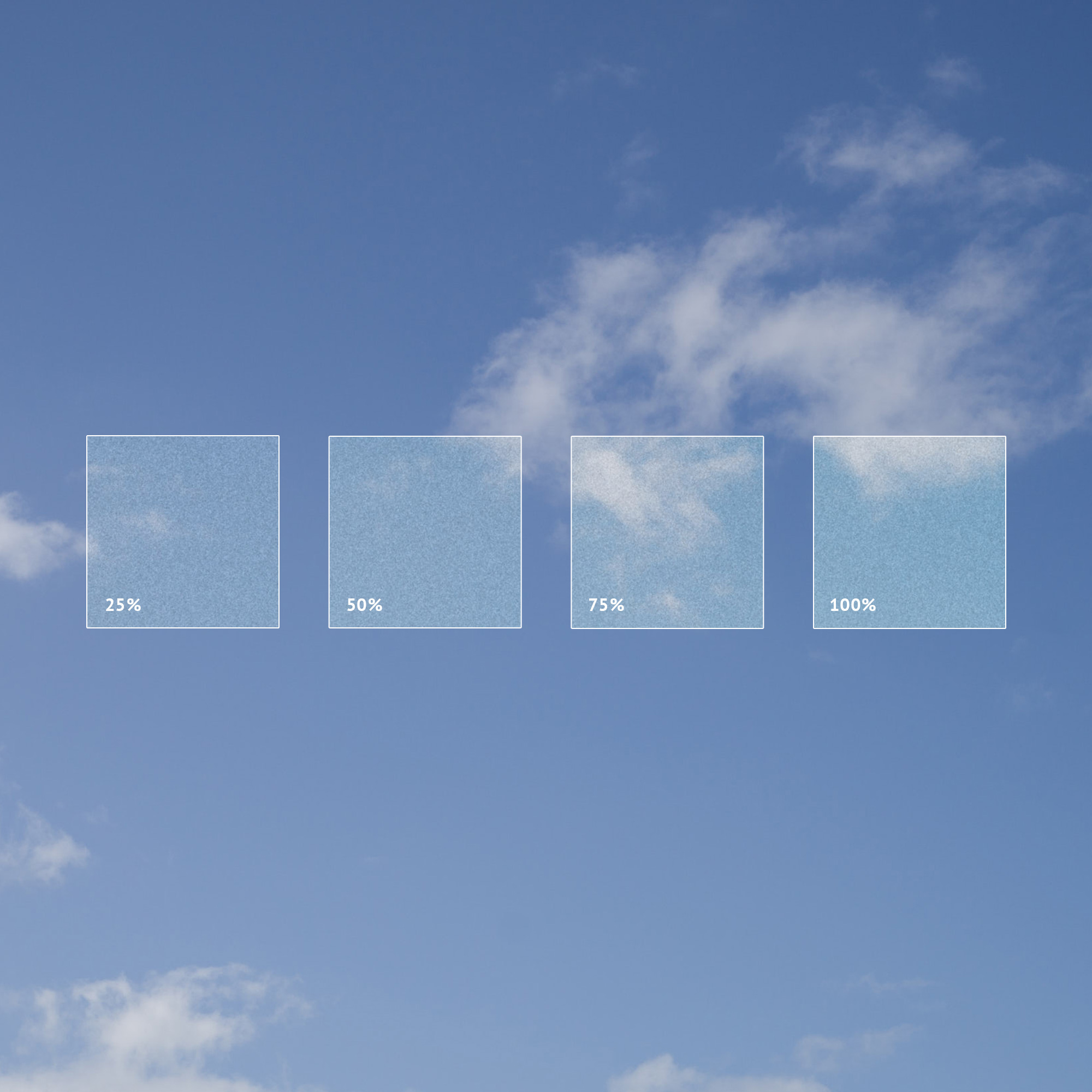
– 4 different strengths for each look
– Dedicated styles for Nikon & Sony and Fujifilm cameras
Yes. As long as your camera model is supported by your version of Capture One.
Yes. But you'll need to manually set your Fujifilm RAW curve to "Film Standard" prior to applying a style. Otherwise the style will take no effect.
It works very well for jpegs. The product includes dedicated styles profiled for jpeg/tiff images.
This product delivers some of the most beautiful and sophisticated film looks out there. However it has its limitations too:
1. You can't apply All Films 5 styles to Capture One layers. Because the product is based on ICC profiles, and Capture One does not allow applying ICC profiles to layers.
2. Unlike the Lightroom version, this product won't smartly prevent your highlights from clipping. So you have to take care of your highlights yourself, ideally by getting things right in camera.
3. When working with Fujifilm RAW, you'll need to set your curve to Film Standard prior to applying these styles. Otherwise the styles may take no effect.

1. Adobe Lightroom and Capture One versions of our products are sold separately in order to sustain our work. The exact product features may vary between the Adobe and Capture One versions, please check the product pages for full details. Some minor variation in the visual output between the two may occur, that's due to fundamental differences between the Adobe and Phase One rendering engines.
–
2. Film look generations are basically major revisions of our entire film library. Sometimes we have to rebuild our whole library of digital tools from the ground to address new technological opportunities or simply make it much better.